Getting a flat tyre can be stressful, especially if it happens unexpectedly or in an unsafe location. Whether you’re on a local road, parked at home, or mid-journey, knowing what to do next can help you stay safe and avoid further damage to your vehicle. This guide walks through the steps UK drivers should take when dealing with a flat tyre, and when professional help is the safest option.
Pull Over Safely and Assess the Situation
As soon as you notice a flat tyre, slow down gradually and pull over somewhere safe.
-
Avoid braking sharply
-
Turn on hazard lights immediately
-
Choose a flat, well-lit area away from traffic if possible
If you’re on a motorway or dual carriageway, follow Highways England guidance and move to the hard shoulder or a refuge area. Safety always comes first.
Check the Damage (If It’s Safe to Do So)
Once stopped, take a quick look at the tyre — only if it’s safe.
Look for:
-
Nails, screws, or visible punctures
-
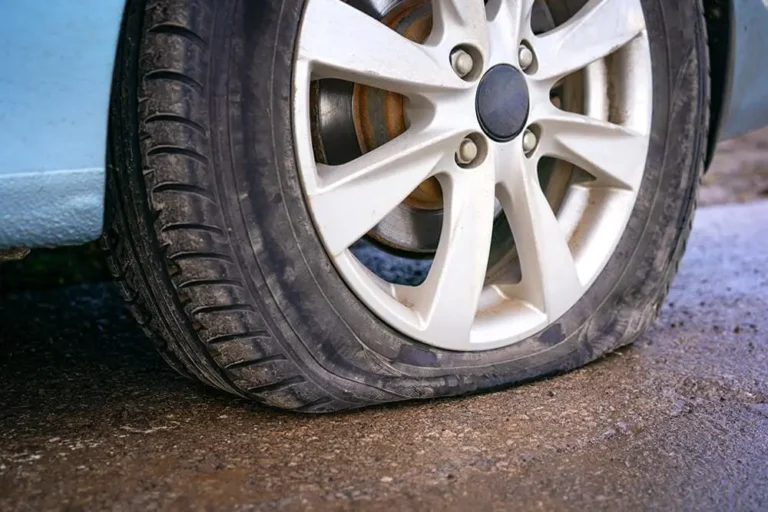
A completely deflated tyre
-
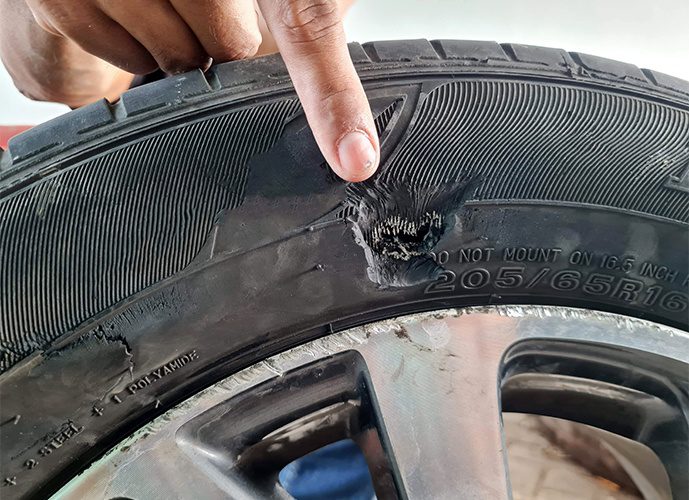
Damage to the sidewall
-
Cracks or splits in the rubber
Sidewall damage or a fully shredded tyre usually means replacement rather than repair.
Can You Drive on a Flat Tyre?
In most cases, no.
Driving on a flat or severely underinflated tyre can:
-
Damage the wheel rim
-
Affect steering and braking
-
Make the tyre unsafe to repair
-
Increase the risk of losing control
Even short distances can cause irreversible damage, so it’s best to stop as soon as possible.
Should You Change the Tyre Yourself?
If you have:
-
A spare tyre (many modern cars don’t)
-
A jack and wheel brace
-
The confidence and safe conditions to do so
…you may be able to change it.
However, roadside tyre changes aren’t always practical — especially:
-
At night
-
In poor weather
-
On busy roads
-
If wheel nuts are seized or locking nuts are stuck
In these situations, calling a professional is often the safer and quicker option.
When to Call for Mobile Tyre Fitting
Mobile tyre fitting is ideal if:
-
You don’t have a spare
-
The tyre can’t be repaired
-
You’re stuck at home, work, or roadside
-
You want to avoid towing or recovery
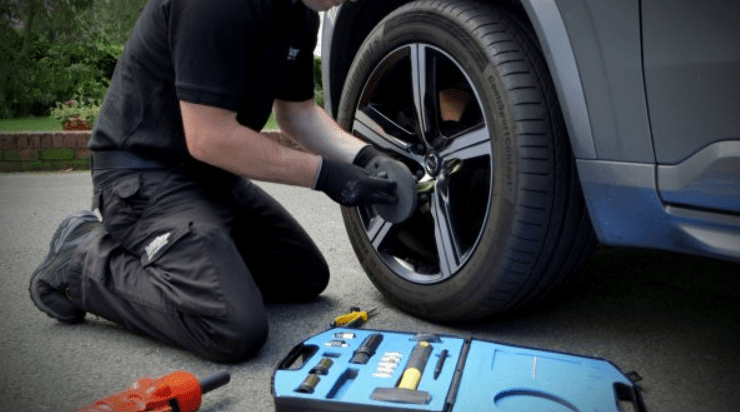
A mobile fitter can assess whether the tyre can be repaired or needs replacing and get you back on the road without moving the vehicle.
What Happens During a Mobile Tyre Call-Out?
Typically, a mobile tyre service will:
-
Confirm your tyre size and vehicle details
-
Assess whether the tyre is repairable
-
Replace or repair the tyre on-site
-
Check tyre pressure before leaving
This is often faster and more convenient than arranging recovery to a garage.
Preventing Flat Tyres in the Future
While not all punctures can be avoided, regular checks help reduce the risk:
-
Check tyre pressure monthly
-
Inspect tread depth and sidewalls
-
Avoid driving over potholes or debris where possible
-
Replace tyres before they become worn or cracked
Need Help With a Flat Tyre?
If you’re dealing with a flat tyre and need assistance, a professional mobile tyre fitting service can help quickly and safely — whether you’re at home, at work, or stuck roadside. Contact us today and we’ll be with you asap.